What Is Medium-Duty Towing?
Not every vehicle can be handled by a standard to trucks, box trucks, RVs, buses and more commercial vehicle may require more power and specialized equipment. This is where medium-duty towing comes in.
Medium-duty towing is designed to safely move vehicles that are too large or heavy for typical light-duty tow trucks but do not require the equipment used for heavy-duty towing. It gives businesses, fleet operators and individual drivers a reliable option when a larger vehicle breaks down or needs to be transported.
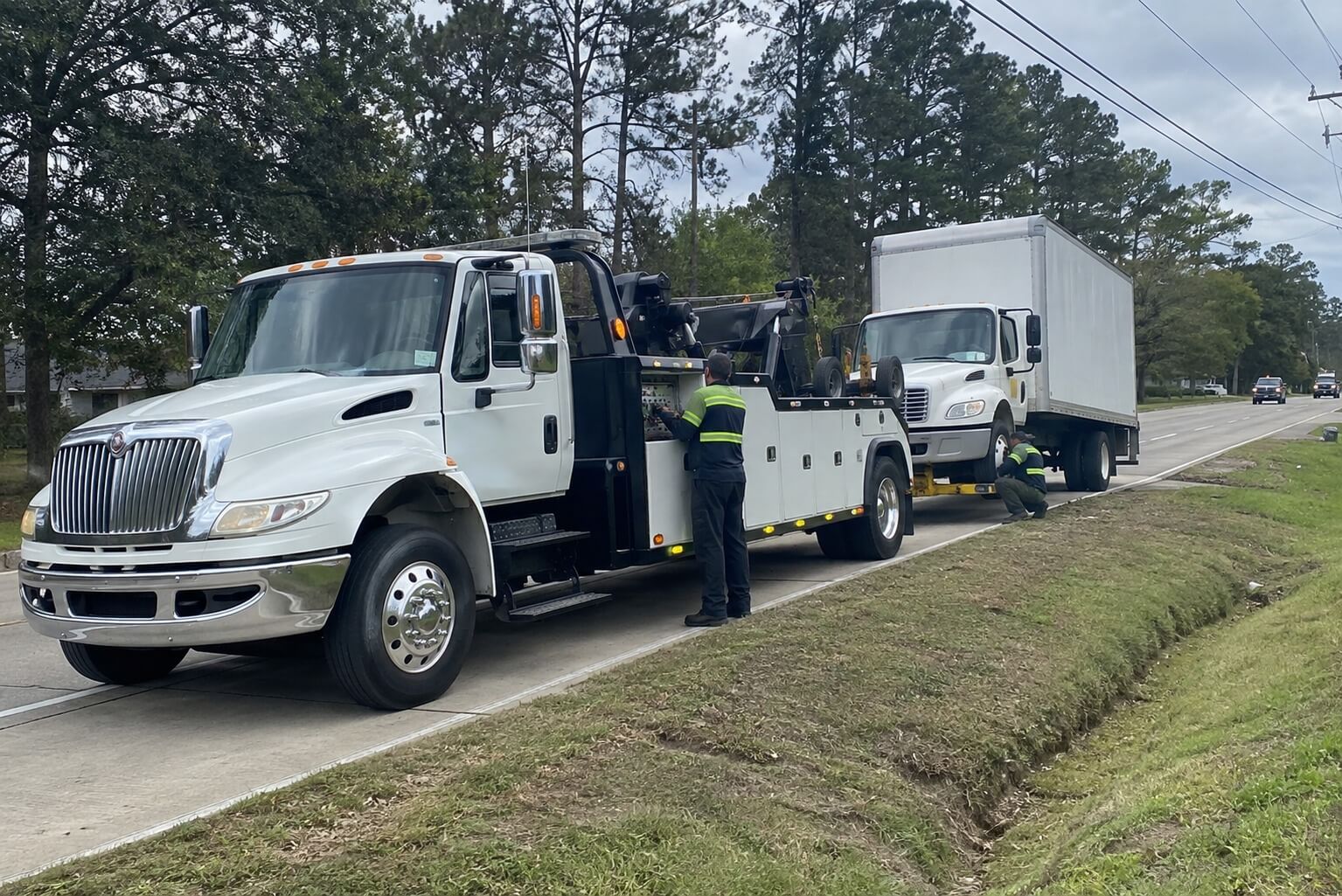
What Does Medium-Duty Towing Mean?
Medium-duty towing is a towing service for vehicles that fall between standard passenger vehicles and large heavy-duty trucks. Medium-duty tow trucks have stronger frames, large towing capacities and specialized equipment designed to handle heavier vehicles.
The exact weight limits can vary depending on the tow truck and equipment being used. A professional towing company will look at the vehicle’s size, weight, condition and towing requirements before choosing the right truck.
Trying to tow a vehicle with equipment that is too small can create safety risks and potentially cause additional damage. Using the proper medium-duty tow truck helps ensure the vehicle can be loaded, secured and transported correctly.
What Vehicles Need Medium-Duty Towing?
Medium-duty towing is commonly used for vehicles that are larger than regular cars and SUVs. Depending on the towing company’s equipment and capacity, this may include:
• Box trucks
• Delivery trucks
• Small buses
• RVs and motorhome
• Work trucks
• Utility trucks
• Service vehicles
• Step vans
•Commercial vans
• Some construction vehicles
• Small straight trucks
• Vehicles with trailers
The best way to determine whether medium-duty towing is appropriate is to provide the towing company with the vehicle’s make, model, appoximate weight and location.
When Do You Need Medium-Duty towing
There are several situations when medium-duty towing may be necessary. A vehicle might experience mechanical problems, a flat tire, an accident, an electrical issue or another problem that prevents it from being driven safely.
Medium-duty towing can also be useful when a commercial vehicle needs to be moved from one location to another. For example, a delivery truck that breaks down during a route may need to be transported to a repair shop instead of being left on the roadside.
Some common situations include:
Vehicle Breakdown
– Mechanical problems can happen without warning. If a work truck or delivery vehicle cannot continue driving, a medium-duty tow truck can transport it to a qualified repair facility.
Accident Recovery
– A larger vehicle involved in an accident may be difficult or unsafe to move using standard towing equipment. Medium-duty equipment can provide the additional capacity needed for certain accident recovery situations.
Disabled Commercial Vehicles
– Businesses depend on their vehicles to keep daily operations moving. When a commercial vehicle becomes disabled, getting it off the road quickly can help reduce downtime.
Vehicle Relocation
– Medium-duty towing is not limited to emergency breakdowns. Businesses may also use towing services to relocate work vehicles, fleet trucks, Rvs or other larger vehicles.
Medium-Duty vs Light-Duty Towing
Light-Duty towing is generally intended for everyday vehicles such as cars, motorcycles, Suvs and smaller pickup trucks. these vehicles can typically be handled with standard tow trucks.
Medium-duty towing is intended for larger and heavier vehicles that require additional towing capacity and equipment.
The main difference is the size and weight of the vehicle being transported. A professional towing company should select equioment based on the vehicle’s actual requirements rather than simply using the first available tow truck.
Medium-Duty vs Heavy-Duty Towing
Medium-duty Towing and heavy-duty towing serve different types of vehicles.
Heavy-duty towing is generally used for much larger vehicles and equipment, including tracvtor-trailers, large buses, semis and other extremely heavy commercial vehicles. these situations often require specialized heavy wreckers, rotators or other high-capacity equioment.
Medium-duty towing sits between light-duty and heavy-duty towing. It provides enough capacity for many commercial and recreational vehicles without requiring the largest recovery equipment.
What Equipment is Used for Medium-Duty Towing?
Professional medium-duty towing may involve equioment such as wheel-lift systems, heavy-duty winches, underlift systems, flatbeds and other specialized towing equipment.
The equipment used depends on the vehicle and the situation. for example, a disables vehicle with damaged wheels may require a different towing method than a vehicle that can still roll normally.
properly securing the vehicle is just as important as having enough towing capacity. Experienced towing professionals inspect the vehicle and determine how it should be loaded and secured before transporting it.
Why Professional Medium-Duty towing Matters
Larger vehicles can be more difficult to tow because of their weight, dimensions and handling characteristics. Using the wrong equipment can put the vehicle, tow operator and other drivers at risk.
A professional towing company can evaluate the situation and send equipment that matches the vehicle. This helps make the towing process safer and reduces the chance of unnecessary damage.
A professional towing company can evaluate the situation and send equipment that matches the vehicle. This helps make the towing process safer and reduces the chance of unnecessary damage.
For commercial vehicles, professional towing can also help minimize downtime. Getting a disabled truck or work vehicle to a repair facility can allow the business to address the problem and get the vehicle back into service.
What Information Should You Give the Towing Company?
When requesting medium-duty towing, provide as much information as possible. This helps the towing company determine what equipment is needed.
Useful information includes:
• Vehicle type
• Make and model
• Approximate vehicle weight
• Current location
• Destination
• Type of problem
• Whether the vehicle can roll
• Whther the vehicle has damaged wheels
• Whether it is carrying a load
• Whether a trailer is attached
If possible, photos of the vehicle and its surrounding can also help the towing company understand the situation before the truck arrives.
Choose the Right Towing Service for Your Vehicle
Medium-duty towing provides a practical solution for larger vehicles that are beyind the capacity of many standard tow trucks. Whether you have a disabled delivery truck, work vehicle, RV or another medium-sized commercial vehicle, choosing the right towing equipment is impportant.
If your vehicle breaksdown or needs to be relocated, contact a professional towing company and explain exactly what you need. Providing accurate vehicle information can help the company send the appropriate truck and equipment for the job.
When you need dependable medium-duty towing, choose a towing provider with the equipment and experience to handle your vehicle safely and get you where you need to go.
WE ALSO PROVIDE OUR SERVICES NEARBY CITIES IN
PRAIRIEVILLE, LA
Fast, reliable roadside & towing service across Prairieville and the surrounding communities.
Contact Us
Feel free to contact us for any towing and roadside needs
Call (225) 208-7622 to get in touch with Premier Towing & Road Rescue for emergency roadside assistance or towing. Our staff is available to help you at all times, offering dependable and expert towing services. Our top concerns are your happiness and safety.
- Phone: (225) 208-7622
- Address: Prairieville, LA 70769
