Battery Maintenance Tips Every Driver Should know
A dead car battery can turn a normal drive into an unexpected roadside emergency. Whether you are heading to work, running errands, or taking a long road trip, your vehicle depends on a healthy battery to start the engine and power essential electrical systems.
The good news is that basic battery maintenance does not have to be complicated. A few simple checks and good driving habits can help reduce the risk of battery problems and keep your vehicle dependable.
Here are some important battery maintenance tips every driver should know.
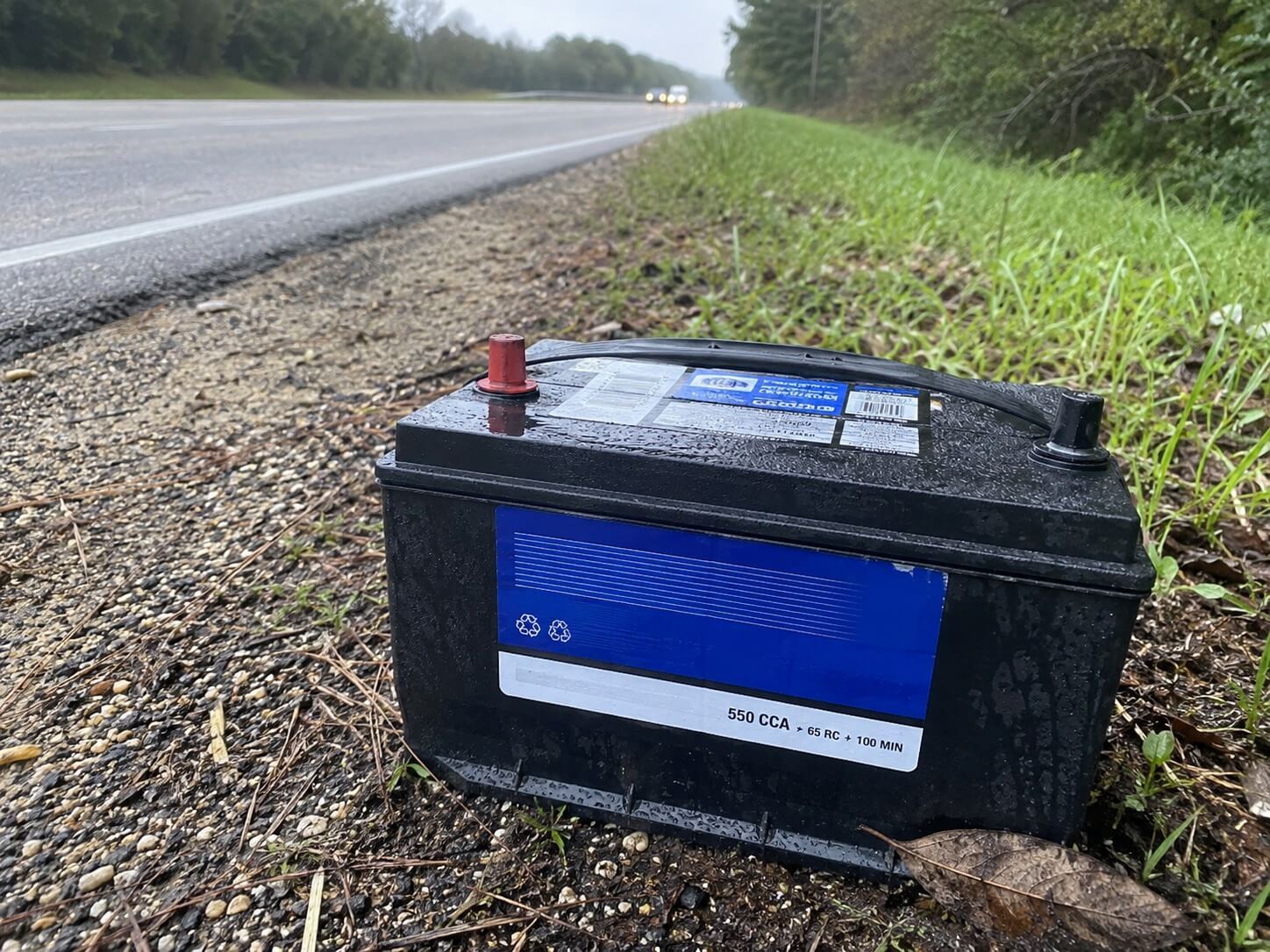
1. Check Your Battery Regularly
Do not wait until your vehicle refuses to start before checking the battery. Inspect it periodically for signs of wear, corrosion, cracks, leaks, or other visible damage.
Look around the battery terminals and cables. Excessive corrosion can interfere with the electrical connection between the battery and the vehicle.
If you notice significant corrosion, loose connections, swelling, or physical damage, have the battery inspected by a wualified automotive professional.
2. Keep the battery Terminals Clean
Corrosion around the battery terminals is a common problem taht can affect electrical connections.
A white, blue, or greenish buildup around the terminals may indicate corrosion. Keeping the terminals clean can help maintain a proper connection and prevent starting problems.
Before cleaning a battery, make sure you understand the proper safety precautions. If you are uncomfortable working around the battery, it is safer to have a professional handle the inspection and cleaning.
3. Make Sure the Battery Connections Are Secure
Loose battery cables can cause intermittent electrical problems or prevent your vehicle from starting.
During routine maintenance, check that the battery connections are secure. Do not force or overtighten connections, as improper handling can damage components
If your vehicle has repeatedly experienced electrical problems or difficulty starting, have the charging system inspected instead of assuming the battery is the only issue.
4. Pay Attention to Slow Engine Starts
One of the easiest signs to recognize is a vehicle that takes longer than usual to start.
if the engine cranks slowly, especially when starting the vehicle in the morning, the battery may be losing its ability to provide sufficient power. However, slow starting can also be related to the starter, charging system, cables, or other components.
Do not ignore repeated slow starts. Getting the vehicle checked early may help prevent being stranded later.
5. Avoid Leaving Electronics Running
lights, Infotainment systems, charges, and other electrical accessories can drain your battery when the engine is not running.
For example, leaving the headlights or interior lights on while the vehicle is parked can leave you with a dead battery.
Make it a habit to turn off unnecessary electrical accessories before leaving your vehicle. Many newer vehicles have automatic shutoff features, but drivers should still avoid relying entirely on them.
6. Drive Your Vehicle Regularly
Vehicles that sit unused for extended periods can develop battery problems. Even when the engine is off, certain systems continue to draw small amounts of electrical power.
If your vehicle is parked for long periods, the battery may gradually lose its charge.
Regularly driving can help keep the vehicle’s charging system active. If you know the vehicle will remain parked for an extended period, ask a wualified automotive professional about appropriate battery-maintenance options for your vehicle.
7. Consider the Age of Your Battery
Car batteries do not last forever. battery life varies depending on the vehicle, climate, driving habits, battery type, and other conditions.
If your battery is several years old, pay closer attention to warning signs such as slow starting, dimming electrical components, or repeated battery failures.
Instead of waiting for an old battery to fail completely, have it tested during routine vehicle maintenance. A battery test can provide useful information about it condition and starting capability.
8. Watch for Dashboard Warning Lights
Your vehicle’s dashboard can provide an early warning when something is wrong with the charging system.
If the battery or charging-system warning light appears, do not automatically assume that replacing the battery will solve the problem. The issue could involve the alternator, wiring, drive belt, or another component.
Have the vehicle inspected as soon as practical, particularly if you also notice alectrical problems or difficulty starting.
9. Be Careful With Extreme Temperatures
Extreme heat and cold can place additional stress on vehicle batteries.
Very cold temperatures can make it harder for an engine to start, while high temperatures can accelerate battery deterioration. Drivers in areas with significant temperature changes should be especially attentive to battery condition.
Regular testing and proper maintenance can help identify a weak battery before exxtreme weather exposes the problem
10. Know What to Do When Your Battery Dies
Even with proper maintenance, battery problems can happen unexpectedly.
If your vehicle will not start, first make sure you are in a safe location. If you are stopped on or a near roadway, turn your hazard lights when possible and stay away from moving traffic.
If you have the correct equipment and know how to safely use it, a jump-start may get the vehicle running again. However, a jump-start does not necessarily mean the underlying problem has been fixed.
If the battery repeatedly loses its charge, the battery may be failing or there may be an issue with the vehicle’s charging system.
When you are Unsure what to do, contacting a professional roadside assistance service can be a safer option than attempting a repair without the proper knowledge or equipment.
Common Signs of a Weak Car Battery
Drivers should take action when they notice warning signs such as:
• Slow engine cranking
• Clicking when attempting to start the vehicle
• Dimming headlights or interior lights
• Electrical accessories behaving unusually
• Battery or charging-system warning lights
• Corrosion around battery terminals
• A battery that repeatedly loses its charge
• Difficulty starting the vehicle after sitting for a period of time
These syptoms do not always mean the battery itself is the problem. A professional inspection can help identify the actual cause.
Final Thoughts
Your vehicle’s battery plays an important role in getting you on the road, but it is easy to overlook until something goes wrong. Regular inspections, clean connections, responsible use of electrical accesories, and attention to warning signs can help reduce the risk of unexpected battery trouble.
Most importantly, do not ignore a vehicle that is showing repeated starting or electrical problems. Addressing a small issue early may help prevent a much bigger inconvenience later.
And if your vehicle does leave you with a dead battery or another unexpected problem on the road, professional roadside assistance can help you get the situation handled safely and get back on your way.
WE ALSO PROVIDE OUR SERVICES NEARBY CITIES IN
PRAIRIEVILLE, LA
Fast, reliable roadside & towing service across Prairieville and the surrounding communities.
Contact Us
Feel free to contact us for any towing and roadside needs
Call (225) 208-7622 to get in touch with Premier Towing & Road Rescue for emergency roadside assistance or towing. Our staff is available to help you at all times, offering dependable and expert towing services. Our top concerns are your happiness and safety.
- Phone: (225) 208-7622
- Address: Prairieville, LA 70769
