Common Tire Mistakes Drivers Make
Your tires are one of the most important safety components on your vehicle, but they are also easy to overlook many drivers do not think about their tires until they have a flat, blowout, or other roadside emergency.
Small mistakes such as driving on underinflated tires, ignoring uneven tread wear, or waiting too long to replace worn tires can increae the risk of a breakdown. Knowing the most common tire mistakes can help you avaoid unnecessary roadside problems and keep your vehicle safer.
1. Ignoring Tire Pressure
One of the most common tire mistakes drivers make is failing to check tire pressure regularly.
Tires naturally lose air over time, and temperature changes can also affect pressure. Driving with underinflated tires can cause additional heat buildup, poor handling, reduced fuel efficiency, and premature tire wear.
Drivers should check their tire pressure regularly and follow the vehicle manufacturer’s recommended pressure found on the driver’s door jamb or in the owner’s manual.
2. Relying Only on the Tire Pressure Monitoring System
modern vehicles often have a Tire Pressure Monitoring System (TPMS), which is helpful for detecting significant changes in tire pressure. However, drivers should not treat the warning light as a replacement for routine tire inspections.
A TPMS warning may not appear until the pressure has already dropped considerably. Checking you tires manually with a reliable tire pressure gauge can help identify problems earlier.
3. Waiting Too Long to Replace Worn Tires
Tires do not last forever. Driving on tires with severly worn tread can reduce traction, particularly on wet or slippery roads.
Look for signs such as shallow tread, cracks, exposed cords, bulges, or unusual wear patterns. If your tires are significantly worn or damged, have them inspected by a qualified tire professional and replace them when necessary.
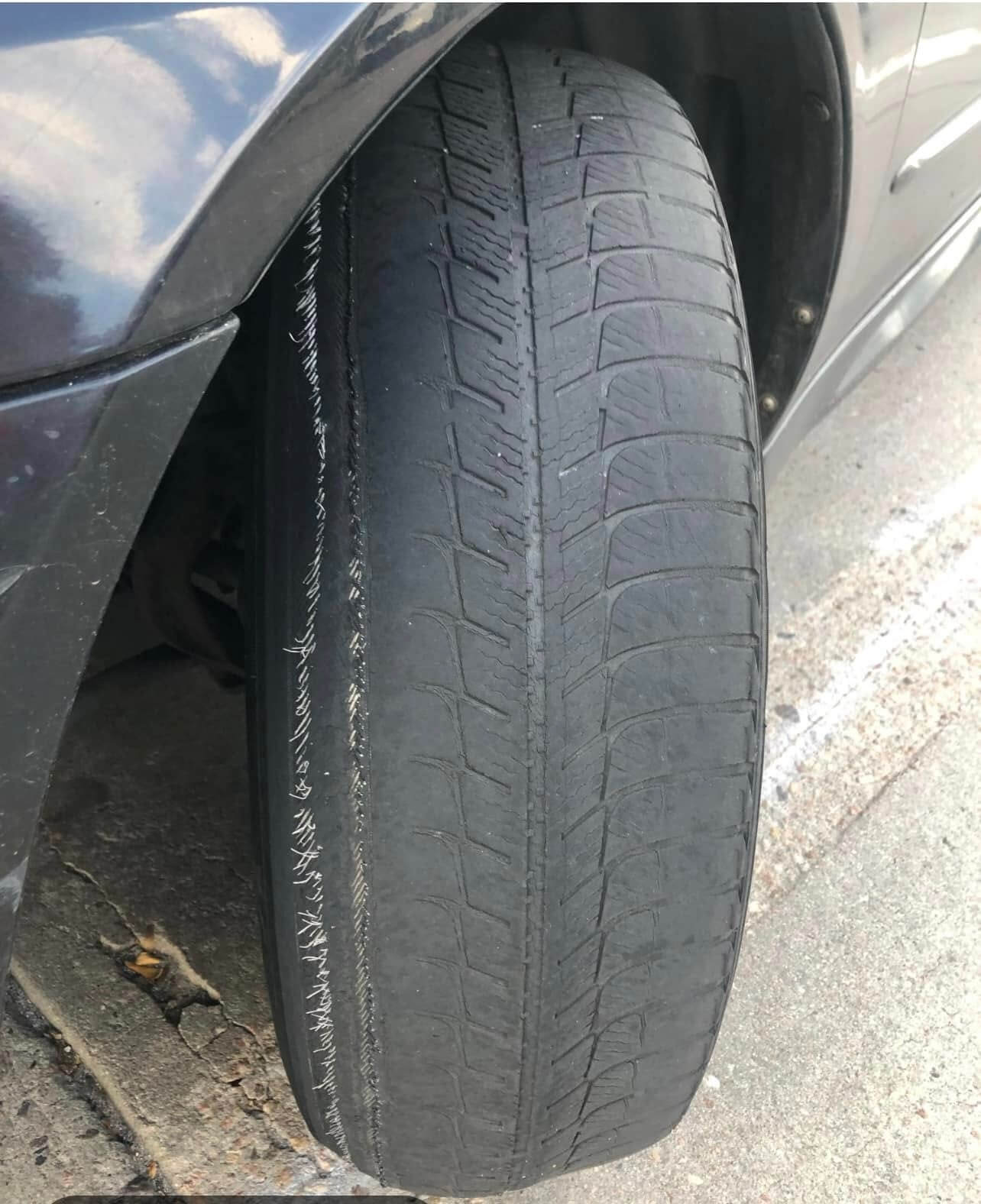
4. Ignoring Uneven Tire Wear
Uneven tread wear can be an early sign of underlying vehicle problem.
For example, excessive wear on one side of a tire may indicate an alignment issue, while unusual center or edge wear can be related to incorrect tire pressure. Simply replacing the tire without addressing the cause may result in the replacement tire wearing out prematurely.
If you notice unusual tread pattern, have the vehicle inspected.
5. Forgetting to Rotate Tires
Tires can wear at different rates depending on the vehicle’s drivetrain, suspension, driving habits, and tire position.
Regular tire rotation can help promote more even tread wear and maximize tire life. Follow the maintenance schedule recommended by your vehicle or tire manufacturer.
Skipping rotations for long periods can contribute to uneven wear and reduced tire performance.
6. Driving Over Potholes and Road Debris
Potholes, broken pavement, nails, screws, glass, and other road debris can damage tires and wheels.
Sometimes the damage is immediately obvious. Other times, a tire may develop a slow leak or internal damage that becomes noticeable later.
When possible, safely avoid road hazards. If you hit a large pothole or notice vibration, pulling, or a loss of tire pressure afterward, have the vehicle inspected.
7. Overloading the Vehicle
Every vehicle has a maximum load capacity. Carrying too much weight can place additional stress on the tires, suspension, brakes, and other components.
Before taking a long trip or hauling heavy equipment, check the vehicle’s load rating and tire specifications. Do not assume that because a vehicle can physically hold something, it is safe to carry that amount of weight.
8. Using the Wrong Replacement Tire
Not every tire is suitable for every vehicle.
Drivers should consider the tire size, load rating, speed rating, construction, and recommended specifications for their vehicle. Installing an inappropriate tire can affect handling, braking, ride quality, and overall safety.
When replacing tires, check the information listed on the vehicle’s tire placard and owner’s manual.
9. Ignoring Slow Tire Leaks
A tire that repeatedly loses air should not simply be refilled and forgotten.
A slow leak can be cause by a puncture, damaged valve stem, wheel problem, or other issue. Continuing to drive on a tire that repeatedly loses pressure can eventually result in a flat tire or additional damage.
If you are frequently adding air o the same tire, have the source of the leak inspected.
10. Forgetting About the Spare Tire
Many drivers check their four main tires but completely forget about the spare.
A spare tire can lose pressure while sitting unused for months or years. Some vehicles also use temporary spare tires with specific speed and distance limitations.
Check your spare tire periodically and make sure you know where the jack, lug wrench, and other emergency equipment are located.
11. Braking Hard on a Damaged Tire
If you experience a sudden tire problem while driving, panicking and making an aggressive manuever can create another hazard.
Keep both hands on the steering wheel, gradually reduce your speed, and move to a safe location when possible. Avoid sudden steering movements or hard braking unless necessary to prevent an immediate collision.
Once safely stopped , asses the situation and contact assistance if you cannot safely continue.
12. ignoring Tire Age
Tread depth is important, but tire age also deserves attention.
Rubber can deteriorate over time, even when a tire has not been driven extensively. Exposure to sunlight, heat, weather, and storage conditions can contribute to aging.
Check the tire’s date iinformation and have older tires evaluated by a qualified professional, especially before long-distance travel.
What should You Do If You Get a Flat Tire?
If you experience a flat tire while driving, safety should come first.
Slow down gradually and pull as far away from traffic as safely possible. Turn on your hazard lights and avoid standing close to moving traffic.
If you have the proper equipment and are in a safe location, you may be able to install your spare tire. However, changing a tire on a busy highway, narrow shoulder, or other dangerous location can put you at serious risk.
In these situations, contracting a professional roadside assiatance service may be the safer option. A roadside technician can provide services such as tire chnages, flat-tire assistance, and towing when the vehicle cannot be safely driven.
How to Prevent Common Tire Problems
A Few simple habits can significantly reduce your chances of experiencing a tire-related roadside emergency:
• Check tire pressure regularly.
• Inspect tires for cuts, cracks, bulges, and punctures.
• Monitor tread depth and unusual wear.
• Rotate tires according to the recommended maintenance schedule.
• Avoid potholes and road debris whenever safely possible.
• Do not overload your vehicle.
• Replace damaged or excessively worn tires.
• Check your spare tire and emergency equipment.
• Have persistent air leaks inspected.
• Pay attention to vibration, pulling, or changes in handling.
Final Thoughts
Many tire-related breakdowns can be prevented with regular inspections and basic maintenance. Ignoring tire pressure, worn tread, slow leaks, uneven wear, and tire damage can turn a minor issue into a roadside emergency.
If your vehicle develops a flat tire-related problem and you cannot safely get back on the road, professional roadside assistance can help you handle the situation safely and efficiently.
Taking a few minutes to check your tires regularly can save you time, money, and stress and may help keep you from needing a tow truck when you least expect it.
WE ALSO PROVIDE OUR SERVICES NEARBY CITIES IN
PRAIRIEVILLE, LA
Fast, reliable roadside & towing service across Prairieville and the surrounding communities.
Contact Us
Feel free to contact us for any towing and roadside needs
Call (225) 208-7622 to get in touch with Premier Towing & Road Rescue for emergency roadside assistance or towing. Our staff is available to help you at all times, offering dependable and expert towing services. Our top concerns are your happiness and safety.
- Phone: (225) 208-7622
- Address: Prairieville, LA 70769
